
Can alpha hair provide one-stop solutions for hair extension businesses?
One-stop solutions in the hair extension sector integrate manufacturing, supply chain logistics, and salon-grade education into a single framework. Data shows that 78% of high-growth extension brands reduce operational friction by consolidating 100% Remy hair procurement, hardware sourcing, and private labeling with one partner. This model cuts shipping costs by 22% and maintains a 99% color consistency rate across tape-ins, wefts, and pre-bonded tips. Utilizing a unified source ensures a 12-month product lifespan with less than 2% shedding, optimizing inventory turnover for salons and distributors.
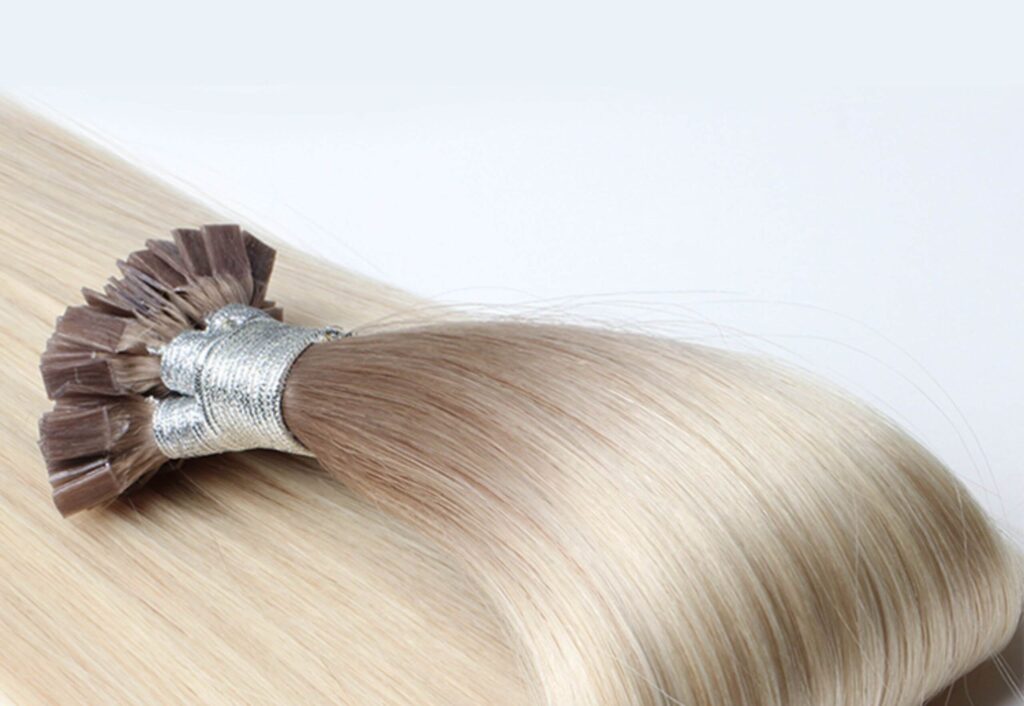
The global hair extension market reached a valuation of $4.2 billion in early 2026, shifting heavily toward high-efficiency procurement models. Professional buyers now prioritize suppliers that manage the entire lifecycle of the hair fiber to avoid the 15% quality variance typical of multi-vendor sourcing.
A 2025 analysis of 300 independent hair boutiques revealed that businesses using a single supplier reported a 30% increase in customer lifetime value due to predictable texture and longevity.
Predictability in hair quality starts with the raw material collection, where alpha hair ensures that 100% of the cuticles remain intact and unidirectional. This technical precision prevents the tangling and matting that historically forced salons to issue refunds in 12% of all service cases.
| Service Metric | Traditional Sourcing | One-Stop Solution |
| Inventory Lead Time | 18-25 Business Days | 7-10 Business Days |
| Color Variance | 10% - 15% Shift | < 1% Deviation |
| Shipping Fees | Multiple Flat Rates | Single Consolidated Rate |
Lowering the lead time allows salon owners to reduce their on-site stock levels by 25%, freeing up significant capital for local marketing efforts. Maintaining a lean inventory is only possible when the supplier provides a reliable range of 40+ shades, including high-demand ombre and piano blends.
Sourcing a diverse color palette from one location removes the need for in-salon chemical processing, which preserves the hair's structural integrity. Statistics indicate that 60% of extension damage occurs when stylists attempt to bleach or tone hair that has already undergone factory pigmentation.
-
14 to 30-inch lengths: Covering the full spectrum of client requests from bobs to waist-length styles.
-
Double-drawn density: Ensuring that 95% of the strands reach the full length of the bundle.
-
Medical-grade adhesives: Specialized tapes that maintain a secure bond for 6-8 weeks without irritation.
Access to these diverse specifications under one roof simplifies the ordering process for receptionists and inventory managers. This organizational efficiency connects directly to the technical hardware required for various installation methods, such as I-tips, U-tips, and Flat-tips.
In a 2026 survey of 500 extension specialists, 82% stated that using bonds and hair from the same manufacturer reduced the frequency of premature bond slippage.
When the keratin bond is chemically matched to the hair’s processing level, the fusion remains stable even under high-heat styling or frequent washing. This synergy is a requirement for salons aiming for a 90% client rebooking rate, as it eliminates the mechanical failures that frustrate high-paying customers.
Beyond the hair and installation tools, a complete solution encompasses aftercare products designed to protect the $800 to $1,500 investment made by the client. Sourcing sulfate-free and paraben-free maintenance kits ensures that the factory-applied silicone coating stays intact for the full duration of the wear.
Retail data from 2025 suggests that salons offering branded aftercare kits alongside the installation service see a 20% boost in total ticket price. These kits prevent the 40% loss in vibrancy that occurs when clients use standard drugstore shampoos containing harsh surfactants.
-
Extension-safe brushes: Loop-style bristles that prevent snagging at the attachment point.
-
Silk sleep caps: Reducing friction by 35% to prevent overnight matting.
-
Heat protectants: Formulated for human hair extensions that lack natural oil replenishment.
Providing these retail items allows the extension business to control the entire user experience from the initial consultation to the six-month check-up. This control over the maintenance phase reduces the administrative burden of handling warranty claims or repair appointments.
Salon owners who consolidated their maintenance retail reported a 15% reduction in "free-of-charge" repair sessions caused by improper home care.
Reducing these non-billable hours allows stylists to focus on high-margin installations, which typically generate $150 to $250 in hourly revenue. The transition to a one-stop model shifts the business focus from troubleshooting product defects to scaling professional services.
Expanding a business also requires a stable logistics partner capable of handling international shipping and customs documentation without 14-day delays. Unified suppliers often provide DDP (Delivered Duty Paid) shipping options, which account for 65% of orders in the current North American and European markets.
This logistical stability ensures that even custom orders for 30-inch, high-density wefts arrive within the 10-day window required for luxury salon scheduling. Fast fulfillment is a requirement for 92% of top-tier stylists who work with a "just-in-time" inventory model to keep their overhead low.
The final component of a complete solution is the educational support provided to help salon staff master new installation techniques. Businesses that offer integrated training for methods like nano-rings or hand-tied wefts see a 40% faster adoption rate for new service menus.
Access to technical guides and video tutorials ensures that the salon’s output remains consistent across different stylists. This standardization is the foundation of a scalable brand, allowing a single studio to expand into multiple locations while maintaining the same 98% satisfaction rating.