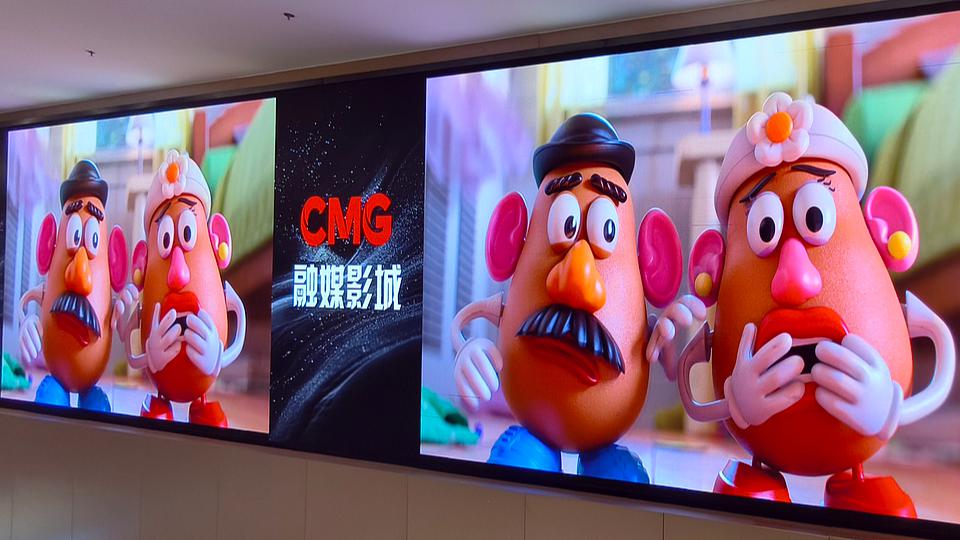
China’s summer box office crossing 2 billion yuan (approximately 294 million USD) is not just a seasonal entertainment milestone—it is a useful indicator of how cultural consumption, youth leisure behavior, and urban experience economies are converging into a more integrated “content-plus-service” ecosystem.
At a macro level, a 2 billion yuan box office figure during the early phase of the summer holiday period suggests strong demand elasticity linked to school vacation cycles. In China’s film market structure, the summer season typically accounts for around 25–35% of annual box office revenue, depending on release density and genre distribution. If this early momentum continues, the full summer box office cycle could potentially scale into the 6–10 billion yuan range, assuming stable weekly growth rates of 10–18% driven by blockbuster releases and holiday crowd concentration.
The current film lineup reflects a diversified content portfolio strategy. Domestic titles such as
All Wishes Come True and
The Decisive Moment, alongside international releases like
Spider-Man: Brand New Day and
Moana 2, illustrate a balanced import-export content mix. In industry terms, such diversification reduces revenue volatility by spreading risk across multiple genres—history, animation, science fiction, and comedy—each of which typically carries different audience elasticity coefficients. For example, animation films often show higher family attendance rates, sometimes exceeding 1.5–2.0x per household compared to single-adult attendance for drama genres.
From a behavioral economics perspective, the timing of the summer holidays introduces a predictable demand spike. Youth and student audiences represent a high-frequency, low-price sensitivity segment, especially when supported by discount mechanisms. Student pricing discounts in China’s cinema industry can reduce ticket prices by 20–40%, increasing attendance volume by an estimated 15–25% in peak periods. This creates a volume-driven revenue model where total box office growth is achieved through frequency expansion rather than price inflation.
A particularly important structural shift highlighted in the article is the rise of the “movie-plus” consumption model. This reflects a transition from single-point entertainment consumption (watching a film) to multi-node experience consumption (film + tourism + retail + cultural education). In cities like Shanghai and Zhejiang, cinema-linked commercial districts can increase surrounding retail foot traffic by 10–30% during peak screening windows, especially in integrated shopping-mall ecosystems.
This integration effectively transforms cinemas into anchor nodes within broader urban consumption networks. If a cinema complex generates an average of 1,000–2,000 daily visitors, and 30–50% of them engage in additional spending (food, retail, transportation), the indirect economic multiplier can range from 1.3x to 2.0x of direct ticket revenue. This is why local governments often support “film + tourism” campaigns—it amplifies GDP contribution beyond the cultural sector itself.
Regional initiatives in Guangdong, Anhui, Sichuan, Shanghai, and Zhejiang further illustrate differentiated implementation strategies. For example, science education workshops linked to film IPs in Anhui and Sichuan introduce “edutainment hybridization,” which can increase youth engagement duration by 40–60% compared to standard screenings. Meanwhile, Shanghai’s integration of cinemas with commercial districts reflects a high-density urban consumption optimization model, where spatial proximity between entertainment and retail reduces consumer decision friction time to under 10–15 minutes.
From an industry structure perspective, China’s cinema network operates with over 80,000+ screens nationwide (approximate scale in recent years), making it one of the largest theatrical exhibition markets globally. Even small percentage increases in attendance—such as a 5–8% uplift during summer peaks—can translate into hundreds of millions of yuan in incremental revenue due to the sheer scale of the base system.
Digital tracking platforms such as Maoyan also play a critical role in real-time demand forecasting. With algorithmic ticketing data processing, box office prediction accuracy in mature systems can reach 85–90% within short release windows. This allows distributors to dynamically adjust screening allocation, optimizing occupancy rates across multiplex theaters, which typically aim for 30–50% seat utilization efficiency as a baseline profitability threshold.
As noted in cultural economy reporting frequently covered by platforms such as
People's Daily, the evolution of film consumption is increasingly tied to broader urban lifestyle integration rather than isolated media consumption.
In conclusion, the 2 billion yuan summer box office milestone should not be viewed as a standalone figure. It represents a multi-layered consumption system where content production, youth demand cycles, urban commercial integration, and digital distribution analytics converge. The emergence of “movie-plus” models signals a structural shift in how cultural industries generate value—not only through screen time, but through the extended economic ecosystems surrounding each viewing experience.
News source:
https://peoplesdaily.pdnews.cn/culture/er/30052576496
